Chili-kissed Sardine Pasta
Method
Place a pot of water over high heat and bring it to a boil.
Clean and debone the sardines by hand. Break them into chunks and set aside....
15 / 09 / 2024

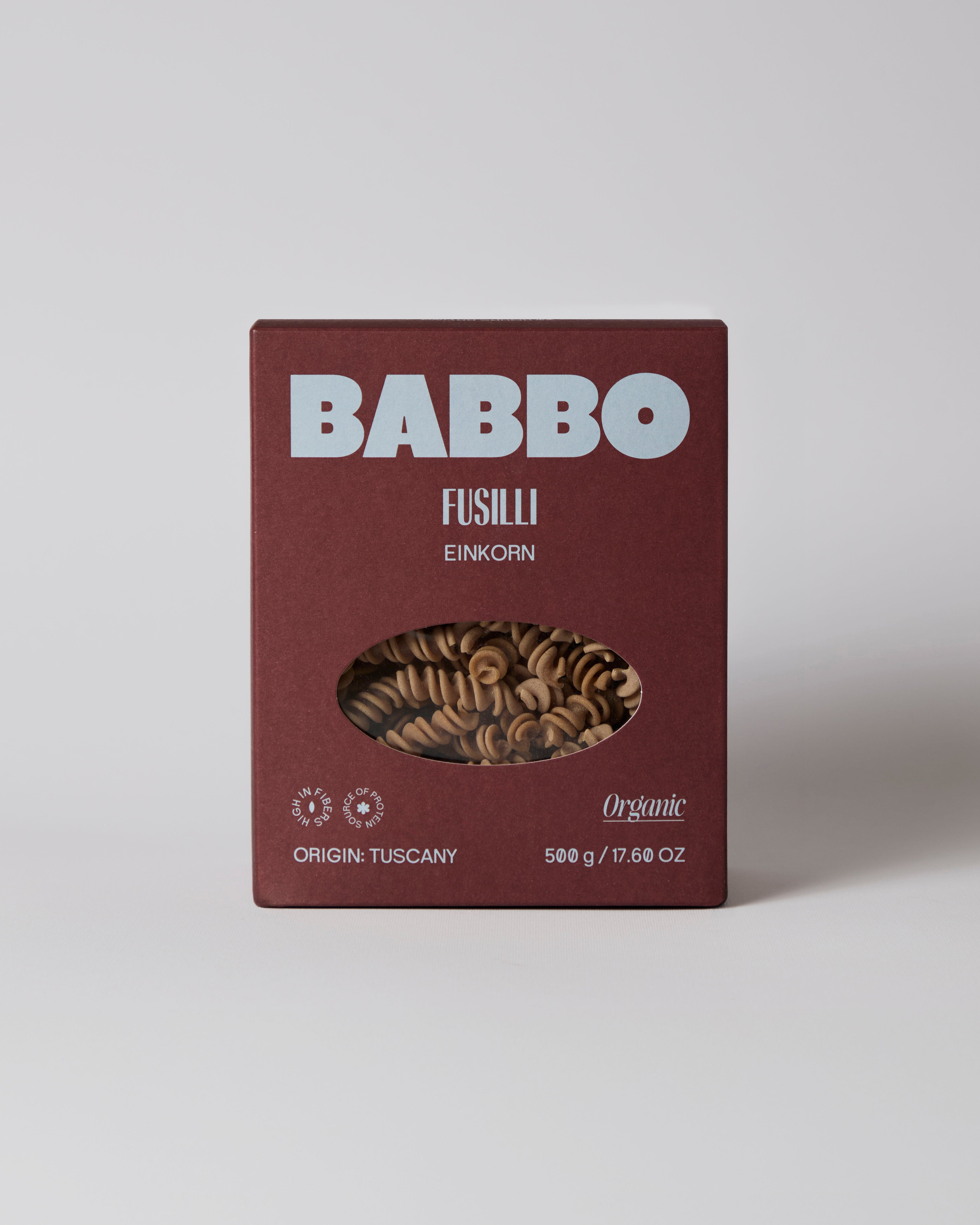
Einkorn, or Farro Monococco, is the ancestor of modern wheat and one of the world’s oldest cultivated grains. Grown for more than 10,000 years, it was a staple of early Mediterranean life. With only 14 chromosomes compared to modern wheat’s 42, it has never been hybridized. It is more difficult to cultivate, but unmatched in flavor and nutritional value.
Einkorn grows slowly, requires minimal fertilizer and naturally resists pests, making it ideal for organic farming systems that prioritize biodiversity. Its yield is 30–50 percent lower than modern wheat, which makes it unprofitable for industrial farming but perfect for small producers who value quality over quantity.
The fiber-rich hull sits so close to the kernel that it cannot be separated, so the whole grain must be used. This gives einkorn pasta its distinctive color, texture and nutritional density.
In Tuscany, only a handful of farmers continue to grow einkorn organically. The grain’s slow growth requires care and patience, but the result is worth it: firm texture with a toasty, nutty flavor. Einkorn is proof that the oldest grains still have the most to offer, which is exactly why we’re bringing it back.